Odd Taste, Smell or Color in Texas Tap Water: Health Risk or Nuisance?
Odd taste, smell, or color in Texas tap water may be a nuisance or a warning; check notices, trace the pattern, and test before choosing treatment.
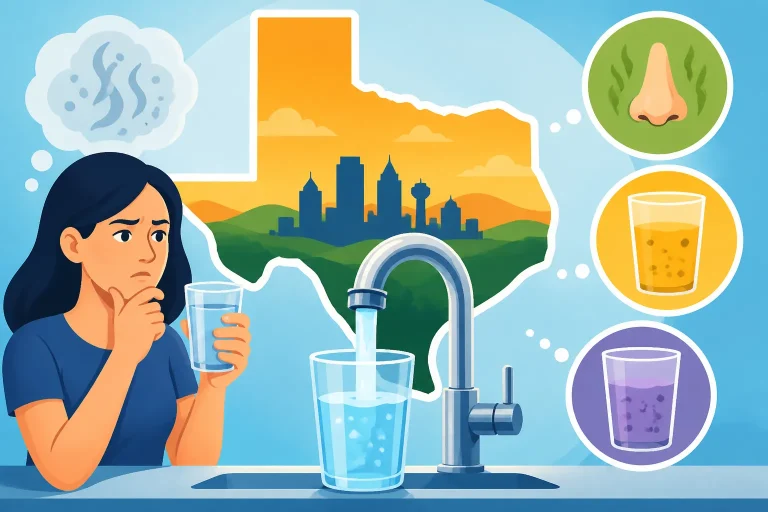
Odd taste, smell, or color in Texas tap water may be a nuisance or a warning; check notices, trace the pattern, and test before choosing treatment.
Who supplies your Texas tap water? Start with the bill, then verify the public water system in the Texas Drinking Water Viewer.

Is Texas tap water safe to drink? Check your provider, current notices and CCR, then investigate household plumbing or test when system records fall short.
A Texas water bill can be confusing when the amount due rises even though household routines have not changed. The total may combine water use, fixed service charges, wastewater, drainage and other fees. Knowing which lines change with use—and which do not—helps you check the math, spot a leak or ask the right question before…
Texas Consumer Confidence Reports summarize sources, contaminants and compliance; check reporting period and limits before judging tap water.
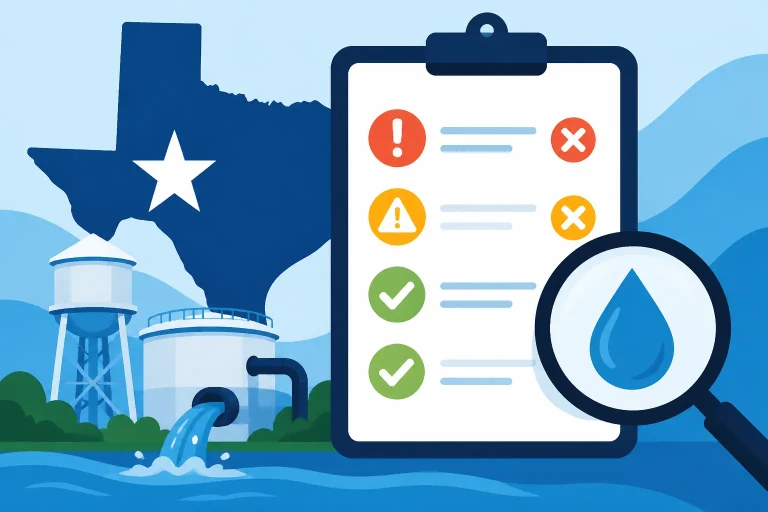
A compliance record can look alarming when it contains a violation, but the entry alone may not tell you whether your home is affected now or what happened next. This guide explains how to find the right Texas water system, use TCEQ records, interpret what they show, and decide what to check with the utility….
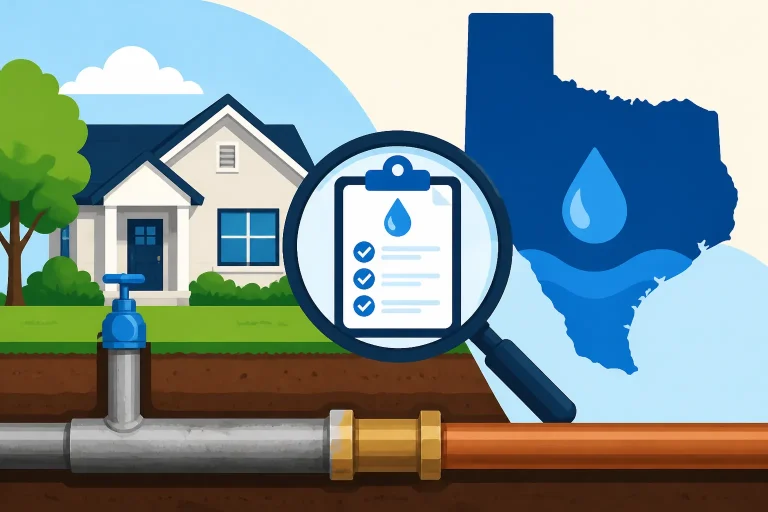
Texas lead service line inventories show what utilities have on file; check both sides of your line and ask the provider to clarify missing or unknown records.
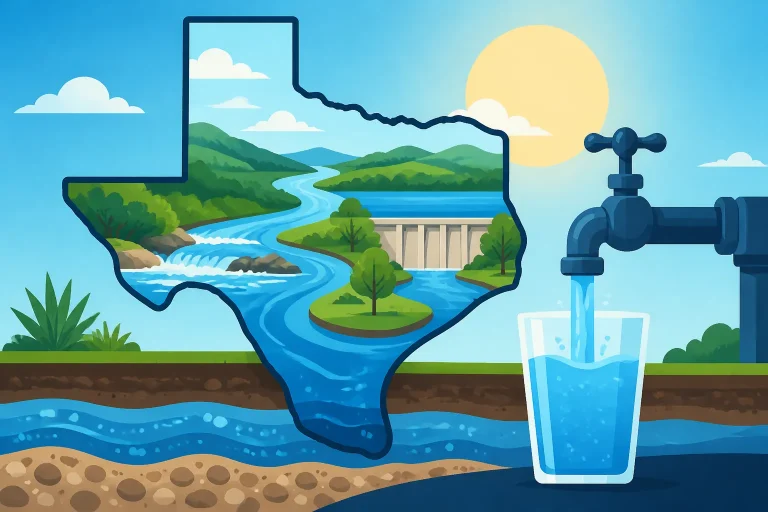
Where Texas tap water comes from depends on rivers, reservoirs, aquifers, or purchased supplies; learn how to find and interpret your source.
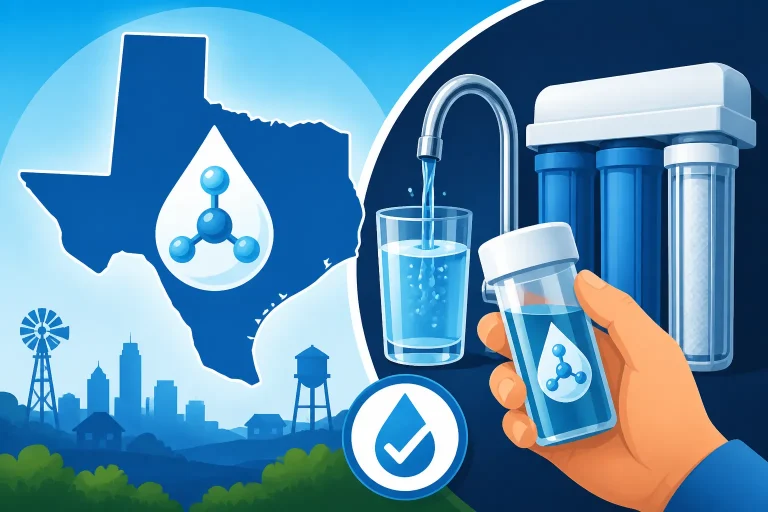
Fluoride in Texas tap water may be adjusted or naturally occurring; identify your provider, check CDC My Water’s Fluoride, then verify with the system.